
We like to believe the mind is in charge.
It writes the plans. It sets the alarms. It recites the ambitions at midnight. But watch closely on any given afternoon and you will see who actually runs the day: the body votes first, and the mind simply obeys.
Sit still for nine hours and your thinking narrows. Sleep five nights at six hours and your patience thins to paper. Skip movement for two weeks and ideas that once arrived uninvited now have to be hunted down. This is not weakness. It is mechanics. The brain is an organ, and organs perform the way they are maintained.
Movement is not a favor you do your body. It is maintenance of the instrument that does everything else.
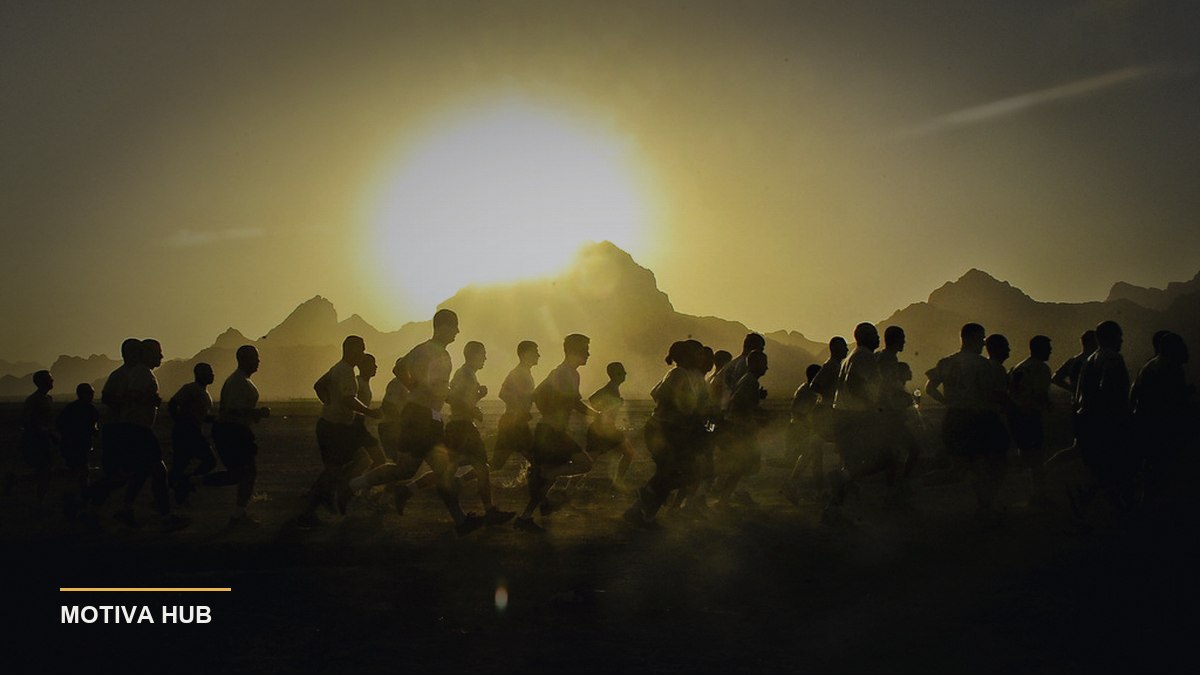
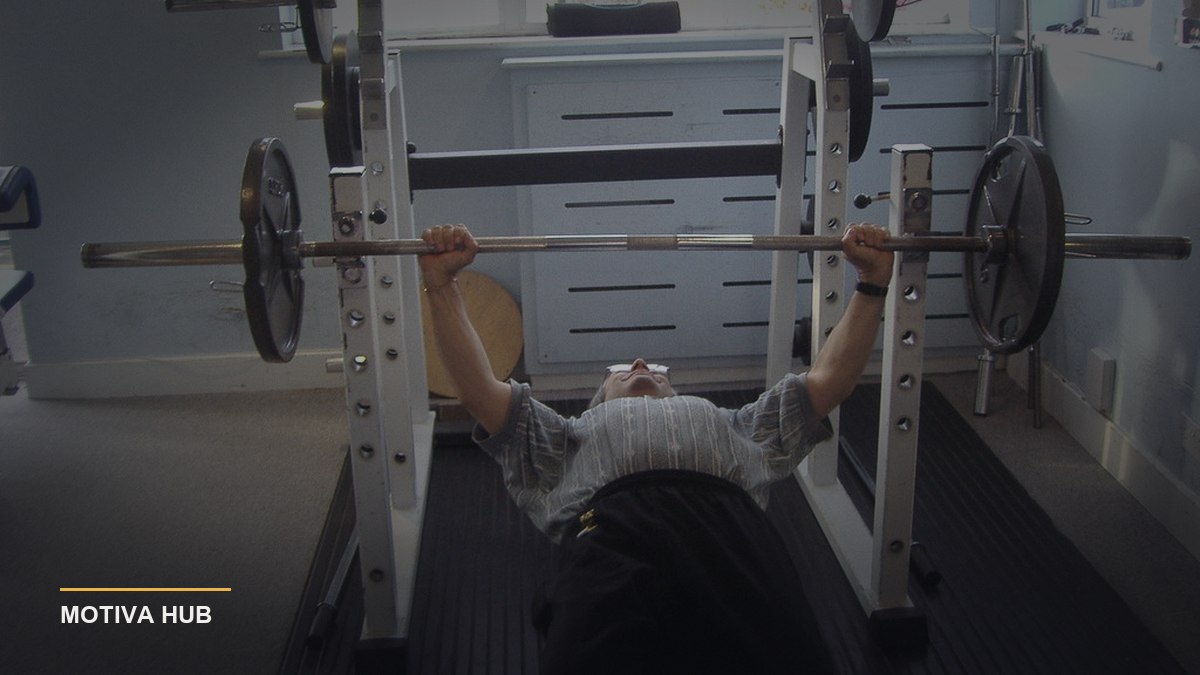
The good news hidden inside this is enormous: if the body’s state shapes the mind’s performance, then training becomes a cognitive strategy — not vanity, not a hobby. A runner does not only build legs; she builds a steadier nervous system. A lifter does not only add muscle; he rehearses, rep by rep, the act of doing one more thing than felt comfortable. That rehearsal leaks into every other room of life.
You do not need much. You need consistency, and you need honesty about how low the floor can be while still counting:
- Twenty minutes of walking, taken seriously, changes the chemistry of an afternoon.
- Two strength sessions a week preserve the body that has to carry every future plan you make.
- One hard effort — a sprint, a heavy set, a hill repeated — reminds you, in the body’s own language, that discomfort is survivable.
Notice what this really trains. Not the heart alone. Identity. Every workout is evidence filed away: I am someone who does what I said. Miss a week and the file thins. Keep showing up for a month and it thickens into something the mind can lean on when motivation goes quiet.
There will be days the schedule collapses. Train anyway, smaller. There will be seasons of injury or exhaustion. Adapt rather than abandon — swimming for running, mobility for lifting, walking for everything. The streak that matters is not the number of perfect weeks. It is the refusal to let the practice die.
Somewhere along the way, the order quietly reverses. You stop training so the mind can perform, and the mind performs because you train. The body stops being the obstacle at the bottom of your priorities and becomes the engine at the front of them.
The body votes first. Make sure, when it does, it votes the way you would have chosen.